-
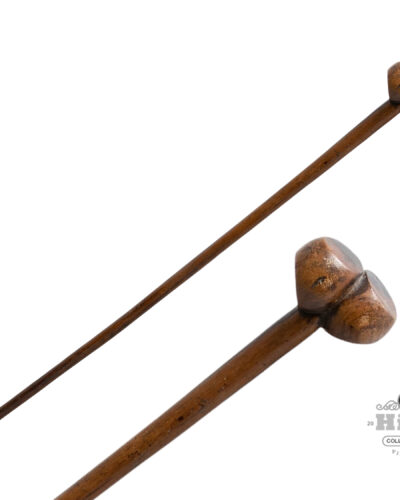
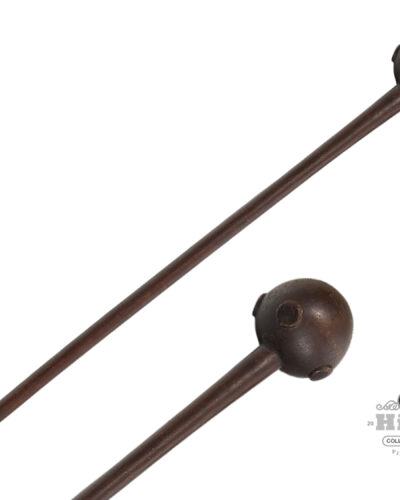
Rare 19th C. Zulu Double Head Snuffkerrie
- Length: Approx 70 cm (27.5 in)
- Material: Dense African hardwood
- Condition: Excellent, honest age, no repairs, stunning patina
- Provenance: Durban SA Market, Nguni/Zulu origin – Documented Acquisition
- Date: Mid-to-late 19th century,

-
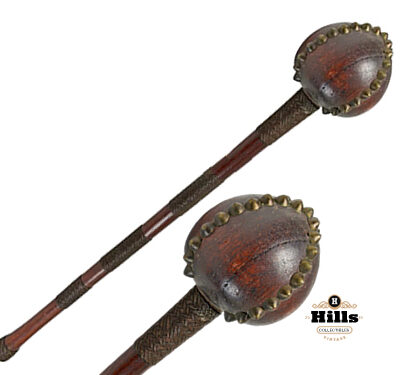
Rare 19th C. Zulu Executioner’s Knobkerrie – “Mfecane IV”
Time Period: 19th Century
Origin: KwaZulu Natal, South Africa
Materials: Dark hardwood with studs
Provenance: UK Market, Provenance Documented -
Rare 19th Century Zulu Executioner’s Knobkerrie “Mfecane II”
Time Period: Late 19th – Early 20th Century
Origin: Zulu Kingdom, South Africa
Materials: Two-tone hardwood (honey maple shaft, deep chestnut head), iron studs
Length: ~26″ (66 cm) | Head ~4″ (10 cm) diameter
Code Name: “Mfecane II”; check out its cousins in our listings.
Provenance: UK Market, documented acquisition -
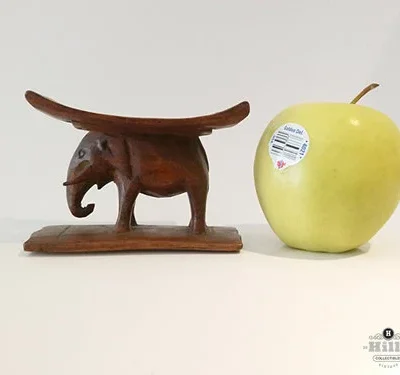
Rare 54-Piece Ghanaian Miniature Stool Model Collection
- Quantity: 54 miniature stool set
- Material: Sese (Holarrhena floribunda) and bodaa wood.
- Dimensions: Approximately 6.5–9 cm in width; heights vary by design (typically 6–7 cm).
- Provenance: Documented UK Market; typologically matches the 1979 Christie’s auction sets.
- Condition: Delicate but intact; age-appropriate micro-cracks & chips (identical to museum examples)
-
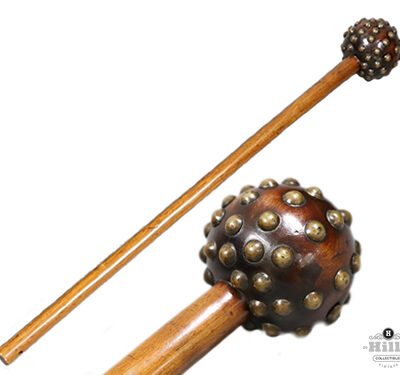
Rare Antique Zulu Knobkerrie (Iwisa) with Integral Studded Detail
Origin: KwaZulu-Natal, South Africa.
Circa: Late 19th Century
Length: ~63.5 cm (25 in)
Material: High-density indigenous hardwood (Umsimbiti) with a natural aged patina.
Distinction: Traditional Zulu-Style Knobkerrie with Integral Studded Detail or Protrusions.
Condition: Excellent ethnographic condition with no structural cracks.
Provenence: The significance of this piece is heightened by its distinguished provenance, tracing through two of the most respected names in the field of African and Tribal Art:
-
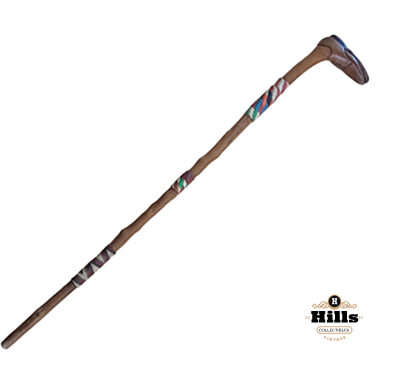
Rare Boer War Trench Art: Hand-Carved “Veldskoen” Walking Stick
- Type: Boer War Trench Art Walking Stick.
- Theme: “Veldskoen” / Boot Handle.
- Decoration: Authentic Zulu/Swazi colored wire-work.
- Period: 19-20th C. (South African War).
- Provenance: United Kingdom market; documented.
-
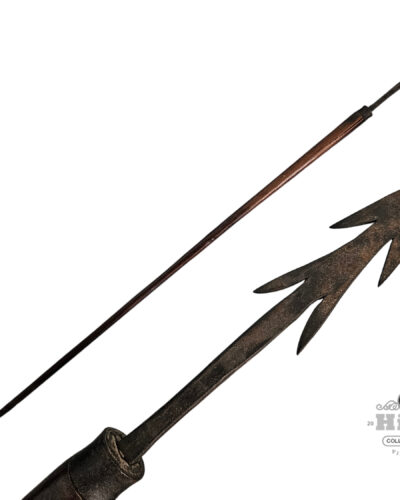
Rare Kalinga Bontoc Multi-Barbed Spear (Sinalawitan Type)
- Period: Late 19th – early 20th century
- Origin: Cordillera Central, Northern Luzon, Philippines
- Primary use among Bontok, Ifugao, and Kalinga highland communities (Mountain Province, Ifugao Province, Kalinga Province areas)
- Provenance: Ex-private USA collection
- Materials: Hand-forged iron multi-barbed (4 prominent barbs) spearhead and conical butt cap, tropical dark hardwood shaft with decorative metal inlay banding on grip, traditional iron or woven rattan ferrule.
-
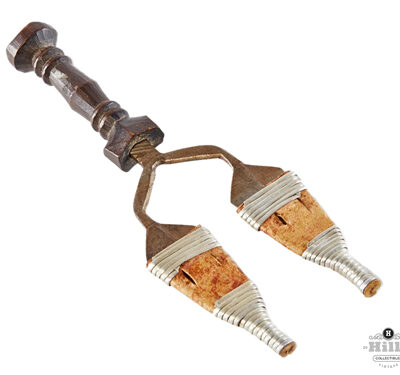
Rare Miniature Shona Bakatwa Double-Edged Prestige Dagger
- Origin: Shona People, Zimbabwe
- Material: Hand-Forged Iron, Indigenous Hardwood, Leather, Pewter Binding
- Circa: Mid 20th Century
- Provenance: UK market; Ex Terence Pethica Collection.
-
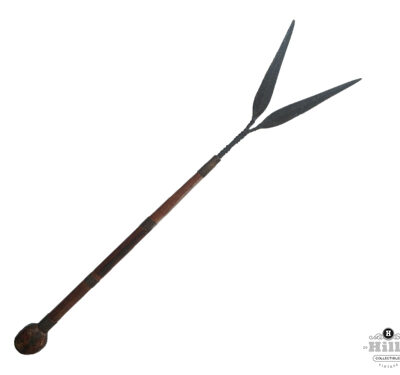
Rare Shona Bident Ceremonial Staff – The Woodfield Collection
- Origin: Shona Peoples, Southern Africa
- Date: Circa late 19th-Early 20th Century
- Dimensions: Approximately 38 inches (96.5 cm)
- Materials: Forged Iron, Hardwood, Brass/Iron Wire Bindings
- Condition: Excellent antique condition. The iron displays a rich, dark patina with minor surface oxidation consistent with age. All wire bindings remain remarkably tight and intact.
-
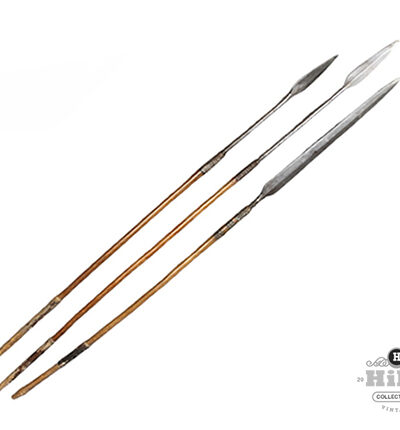
Set of Three Antique Swazi Spears – 19th/20th C
- Origin: Eswatini (Swaziland) / Sheffield, UK
- Date: 19th to early 20th Century
- Materials: Sheffield Forged Steel (W. Marples & Sons), Hardwood, Cow-Tail Hide
- Condition: Excellent antique condition. The steel has a deep, stable patina, and the makers’ marks remain legible.
- Provenance: UK Market
-
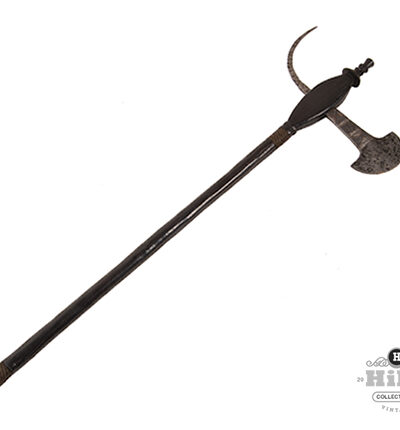
Shona Ceremonial Scorpion Tail Axe – “Nehanda II”
- Type: Shona Scorpion Tail Axe – “Nehanda II”
- Period: Late 19th – Early 20th C.
- Origin: Shona Peoples – Zambezi Region
- Provenance: UK Market, documented
-
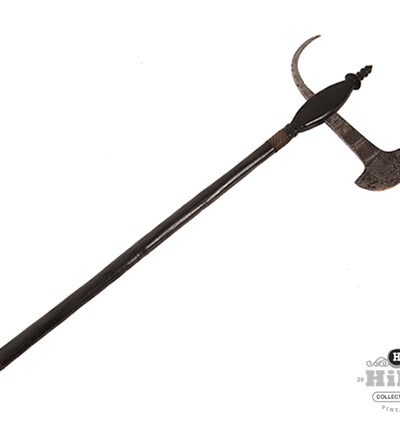
Shona Ceremonial Scorpion Tail Axe – “Nehanda III”
- Type: Shona Scorpion Tail Axe – “Nehanda III”
- Period: Late 19th – Early 20th C.
- Origin: Shona Peoples – Zambezi Region
- Provenance: UK Market, documented