-
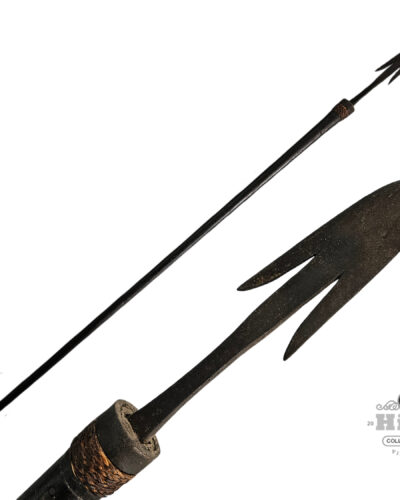
Shorter Traditional Bontoc Igorot Falfeg Spear
- Period: Late 19th – early 20th century Origin: Cordillera Central, Northern Luzon, Philippines
- Primary use: Among Bontok highland communities (Mountain Province areas)
- Provenance: Ex-private USA collection
- Materials: Hand-forged iron single-barbed spearhead, prominent traditional woven rattan ferrule binding just below a narrow metal reinforcement ring, tropical dark hardwood shaft, and conical iron butt cap.
-
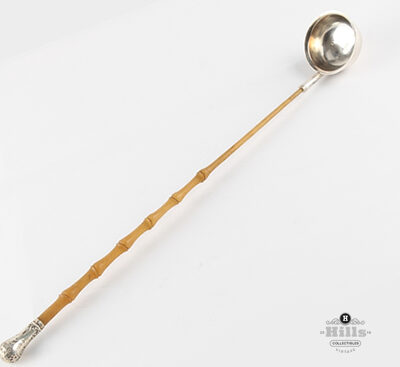
Silver & Rhino Horn Toddy Ladle – Peter Aitken I
- Date: 1836 (William IV)
- Maker: Peter Aitken I, Glasgow
- Dimensions: 33 cm in length
- Materials: Sterling Silver and Rhinoceros Horn
- Provenance: The Henry and Tricia Byrom Collection; UK Market
- CITES: Shipping within the United Kingdom only
-
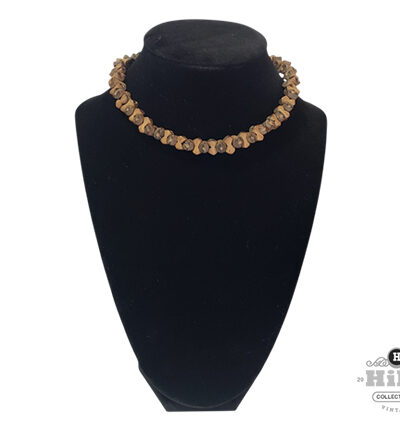
The Iziqu: Zulu Necklace of Valor
- Era: 19th Century
- Material: Hand-Carved Indigenous Hardwood
- Binding: Original Traditional Sinew Thread
- Patina: Deep, multi-generational “living” patina
- Provenance: UK Market, documented
-
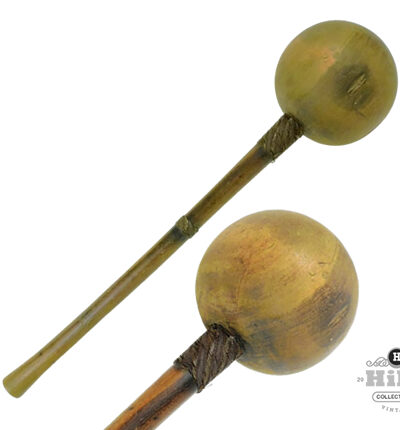
Zulu Executioner’s Knobkerrie (Iwisa) – The Mfecane V
- Series: Mfecane Series, Masterpiece V
- Origin: KwaZulu-Natal, South Africa
- Period: 19th – Early 20th Century
- Medium: African Hardwood, Copper, and Brass
- Significance: High-Status Executioner/Regimental Weapon
-
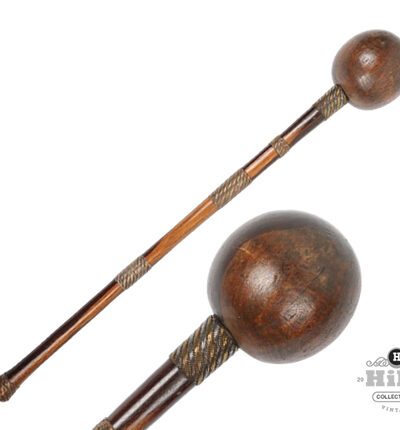
Zulu Executioner’s Knobkerrie (Iwisa) – “Mfecane VI”
- Series: Mfecane Series, Masterpiece VI
- Length:58.5 cm
- Ornamentation: Five-band Copper & Brass Wire-work
- Provenance: UK Private Market
- Period: 19th-Century
-
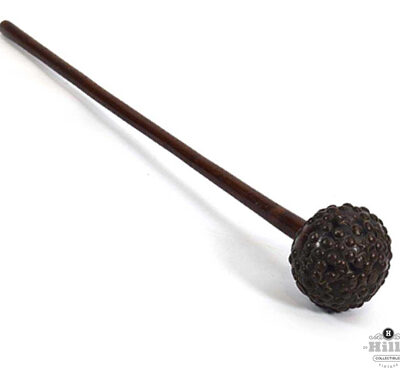
Zulu Star-Studded Executioner’s Knobkerrie – “Mfecane III”
Date: Mid 19th Century
Origin: Zulu Kingdom, KwaZulu-Natal, South Africa
Material: Rare, dense Ironwood/Tamboti; Hand-forged iron star and dome studs
Dimensions: 26.5″ L | 4″ Head Diameter
Provenance: UK Market; documented
Code Name: “Mfecane III” – our third documented executioner’s piece, take a look at its cousin Mfecane IV
-
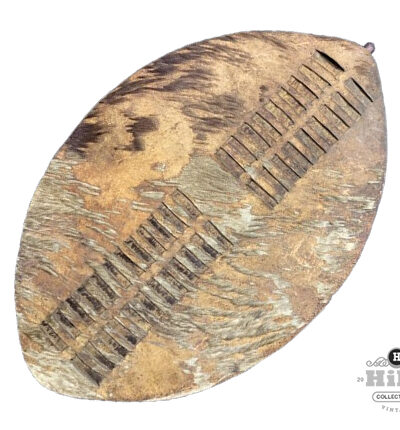
Zulu Umbumbuluzo War Shield: Anglo-Zulu War Period
- Origin: KwaZulu Natal
- Period: 19th Century – 1879 Era
- Provenance: UK Market, documented
- Materials: Constructed from heavy Nguni ox-hide with traditional horizontal cut-out bands and triangular rear stabilizers.
- Honest Patina: The hide shows significant natural hair loss—a highly prized hallmark of genuine age and campaign use. Unlike modern reproductions, this “honest wear” is a critical indicator of a 140+ year-old battlefield survivor.
- Original Staff: Accompanied by its original wooden mgobo (central staff),
- Condition Report: Excellent antique condition. The hide is firm and untouched, with natural cracking and surface marks consistent with original military service and long-term storage. No modern repairs or restorations.