-
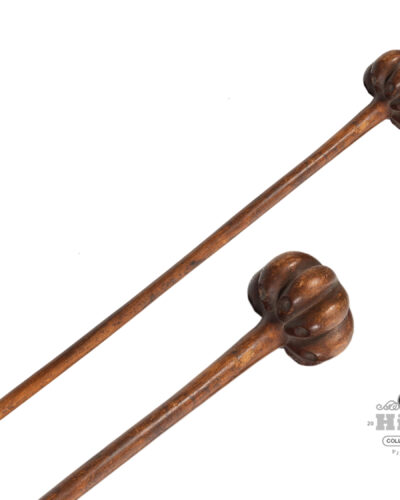
A Remarkable Multi-Cavity Zulu Snuffkerrie (Iwisa)
- Origin: KwaZulu-Natal, South Africa
- Date: Late 19th / Early 20th Century
- Materials: Indigenous Hardwood
- Dimensions: ~63cm long
- Provenance: The significance of this piece is heightened by its distinguished provenance, tracing through two of the most respected names in the field of African and Tribal Art
-
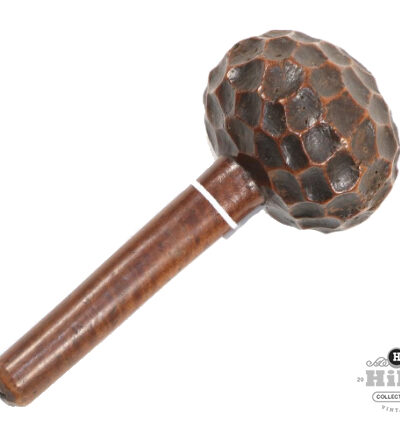
Antique 19th C. Zulu “Trophy” Knobkerrie (Iwisa)
- Origin: Zulu Kingdom, South Africa
- Period: Late 19th Century (Anglo-Zulu War Era)
- Material: Indigenous Hardwood (Chestnut-toned)
- Modifications: Haft historically trimmed to 18cm for transport
- Decoration: Traditional adzed (chip-carved) globular head
-
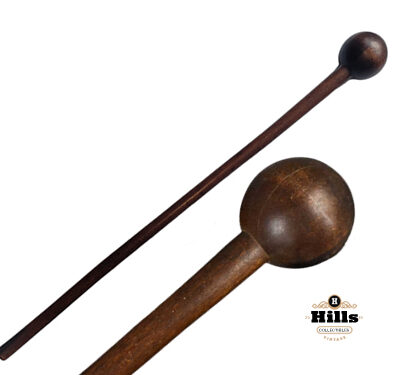
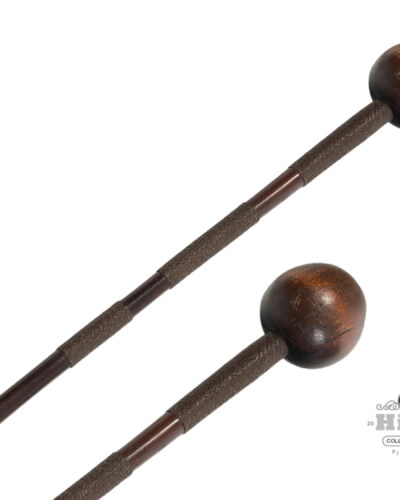
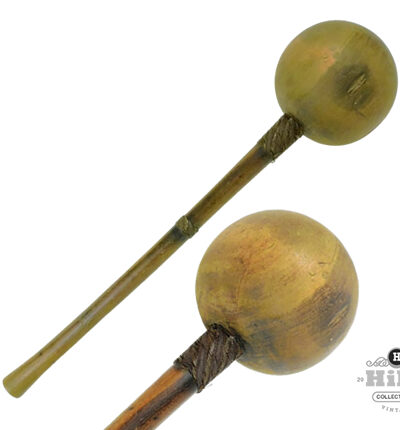
Authentic 19th-20th Century Globular Nguni Iwisa (Knobkerrie)
- Period: Circa late 19th to early 20th Century.
- Cultural Origin: Nguni (Zulu, Swazi, Xhosa, Ndebele).
- Provenance: United Kingdom Market, documented
-
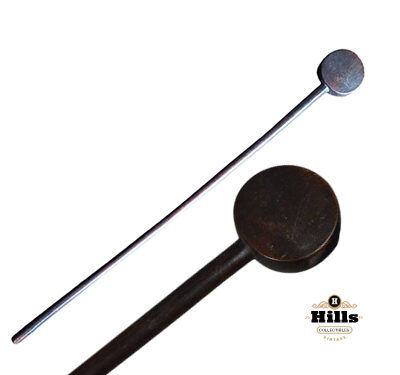
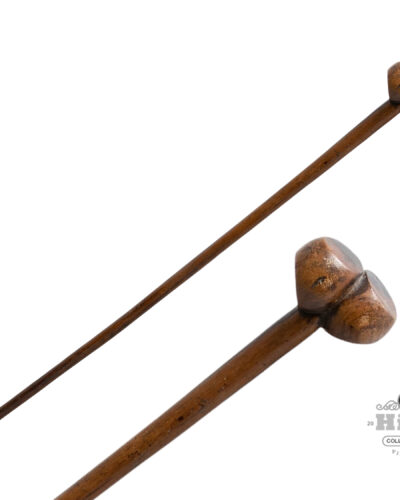
Exceptional 19th-20th Century Flat-Top Knobkerrie (Iwisa)
- Period: Late 19th to Early 20th Century.
- Provenance: Sourced from the United Kingdom market; fully documented
- Region: Southern Africa (Zulu / Eswatini).
-
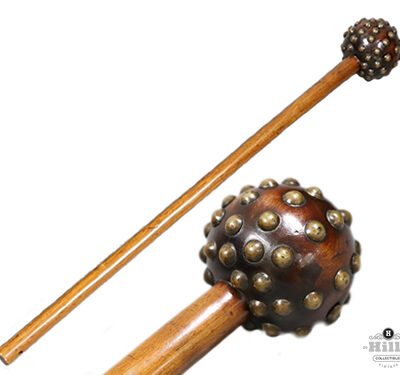
Museum Grade: Zulu Executioner’s “Studded” Knobkerrie – Mfecane I
- Origin: Zulu Kingdom, KwaZulu-Natal region, South Africa, crafted by Zulu artisans renowned for their mastery in weapon-making during the turbulent 19th century.
- Period: 19th century, aligning with the height of Zulu military innovation and the Mfecane era, a time of intense warfare and societal upheaval.
- Provenance: UK Market, verified by ethnographic experts for authenticity and cultural integrity.
-
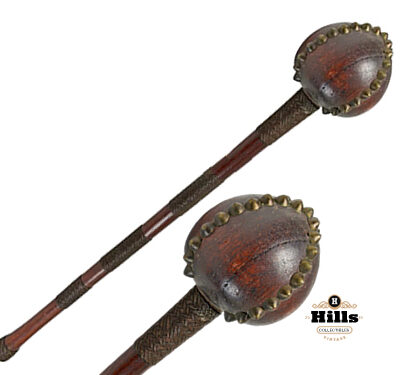
Prestige Zulu Wire-Bound Knobkerrie (Iwisa)
- Region: KwaZulu-Natal, South Africa
- Material: Dense Indigenous Hardwood, Hand-Drawn Metal Wire
- Circa: Late 19th / Early 20th Century
- Length: 67 cm (Approx. 26.4 in)
- Head Weight: Significantly heavy/solid core
Provenence: The significance of this piece is heightened by its distinguished provenance, tracing through two of the most respected names in the field of African and Tribal Art:
-
Rare 19th C. Zulu Double Head Snuffkerrie
- Length: Approx 70 cm (27.5 in)
- Material: Dense African hardwood
- Condition: Excellent, honest age, no repairs, stunning patina
- Provenance: Durban SA Market, Nguni/Zulu origin – Documented Acquisition
- Date: Mid-to-late 19th century,
-
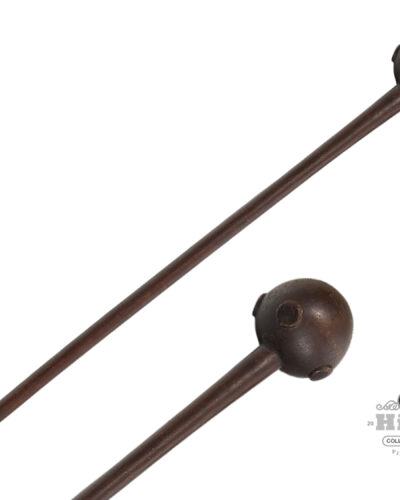
Rare 19th C. Zulu Executioner’s Knobkerrie – “Mfecane IV”
Time Period: 19th Century
Origin: KwaZulu Natal, South Africa
Materials: Dark hardwood with studs
Provenance: UK Market, Provenance Documented -
Rare 19th Century Zulu Executioner’s Knobkerrie “Mfecane II”
Time Period: Late 19th – Early 20th Century
Origin: Zulu Kingdom, South Africa
Materials: Two-tone hardwood (honey maple shaft, deep chestnut head), iron studs
Length: ~26″ (66 cm) | Head ~4″ (10 cm) diameter
Code Name: “Mfecane II”; check out its cousins in our listings.
Provenance: UK Market, documented acquisition -
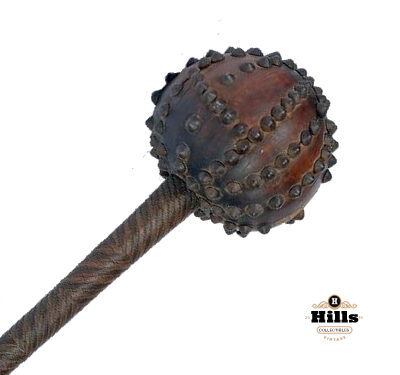
Rare Antique Zulu Knobkerrie (Iwisa) with Integral Studded Detail
Origin: KwaZulu-Natal, South Africa.
Circa: Late 19th Century
Length: ~63.5 cm (25 in)
Material: High-density indigenous hardwood (Umsimbiti) with a natural aged patina.
Distinction: Traditional Zulu-Style Knobkerrie with Integral Studded Detail or Protrusions.
Condition: Excellent ethnographic condition with no structural cracks.
Provenence: The significance of this piece is heightened by its distinguished provenance, tracing through two of the most respected names in the field of African and Tribal Art:
-
Zulu Executioner’s Knobkerrie (Iwisa) – The Mfecane V
- Series: Mfecane Series, Masterpiece V
- Origin: KwaZulu-Natal, South Africa
- Period: 19th – Early 20th Century
- Medium: African Hardwood, Copper, and Brass
- Significance: High-Status Executioner/Regimental Weapon
-
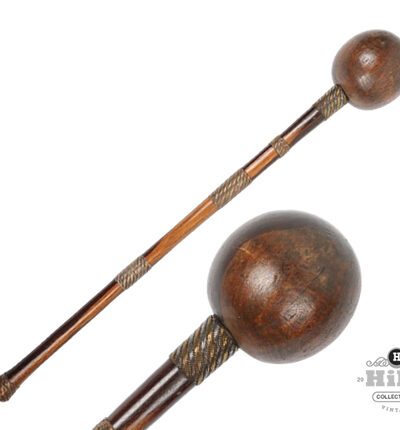
Zulu Executioner’s Knobkerrie (Iwisa) – “Mfecane VI”
- Series: Mfecane Series, Masterpiece VI
- Length:58.5 cm
- Ornamentation: Five-band Copper & Brass Wire-work
- Provenance: UK Private Market
- Period: 19th-Century